Embark on a journey into the dynamic world of commodities trading. This guide demystifies the complexities of this market, offering beginners a clear path to understanding and potentially profiting from the trading of raw materials. From understanding basic concepts like spot and futures contracts to mastering risk management techniques and employing effective trading strategies, we’ll equip you with the knowledge to navigate this exciting yet challenging arena.
We will explore various commodities, including energy sources like crude oil and natural gas, precious metals such as gold and silver, agricultural products such as corn and soybeans, and industrial metals like copper and aluminum. We’ll delve into the forces that drive price fluctuations, such as global supply and demand, geopolitical events, and weather patterns, providing you with a robust framework for making informed trading decisions.
The guide also emphasizes the critical role of risk management, showing you how to protect your capital and make responsible trades.
Risk Management in Commodities Trading
Commodities trading, while potentially lucrative, is inherently risky. Price volatility, geopolitical events, and unforeseen weather patterns can significantly impact profitability. Effective risk management is not merely advisable; it’s absolutely crucial for long-term survival in this market. Without a robust strategy, even the most insightful market analysis can lead to substantial losses.Successful commodities trading hinges on a well-defined risk management plan that limits potential losses and protects capital.
This involves a multifaceted approach encompassing position sizing, stop-loss orders, diversification, and a clear understanding of one’s own risk tolerance.
Position Sizing
Determining the appropriate position size is fundamental to risk management. It dictates the amount of capital allocated to each trade, directly influencing the potential impact of both wins and losses on your overall trading account. A common approach involves calculating the percentage of your trading capital you’re willing to risk on any single trade. This percentage should be consistent across all trades and should reflect your personal risk tolerance.
For instance, a beginner might choose to risk only 1% to 2% of their trading capital per trade. This means that if a trade goes against them, their maximum loss will be limited to that predetermined percentage.
To calculate position size, you can use the following formula: Position Size = (Risk Amount / Stop Loss)
Contract Size
For example, if you have a $10,000 trading account, are willing to risk 1%, and your stop-loss order is set at $100 per contract, your position size would be: (100000.01 / 100) = 1 contract. This means you would only trade one contract for this specific trade. Adjusting the risk percentage or stop-loss value will directly alter the position size.
Stop-Loss Orders
Stop-loss orders are crucial for automatically limiting potential losses on a trade. They are instructions to your broker to sell a commodity position once it reaches a specified price, thereby preventing further losses if the market moves against you. The placement of a stop-loss order should be based on a thorough analysis of the market and the trader’s risk tolerance.
It’s important to consider factors like support levels, chart patterns, and historical price volatility when determining the appropriate stop-loss level. Placing stop-loss orders too tightly can result in frequent exits from profitable trades, while placing them too loosely can lead to significant losses. The ideal stop-loss level is a balance between limiting risk and allowing trades to run their course.
Diversification
Diversification across different commodities is a powerful risk mitigation strategy. It reduces the impact of any single commodity’s price fluctuations on your overall portfolio. By spreading investments across various commodities (e.g., gold, oil, agricultural products), you decrease the likelihood of experiencing substantial losses due to a downturn in one specific market. Correlation between commodities should also be considered; diversifying into uncorrelated assets offers the best risk reduction.
Sample Risk Management Plan for a Beginner
A beginner’s risk management plan should prioritize capital preservation. This plan Artikels a structured approach to trading, ensuring that risks are carefully assessed and managed.
- Maximum Risk per Trade: 1% of trading capital.
- Stop-Loss Orders: Always use stop-loss orders on every trade. The specific level should be determined based on technical analysis and a risk/reward ratio (e.g., 1:2 or 1:3). This ratio indicates that for every $1 risked, the potential profit is $2 or $3.
- Diversification: Invest in a maximum of 3-4 different commodities initially, focusing on those with low correlation.
- Position Sizing Calculation: Use the formula provided above to calculate position size for each trade.
- Regular Review: Periodically review trading performance and adjust the risk management plan as needed.
- Emotional Discipline: Avoid emotional trading decisions; stick to the pre-defined risk management plan.
This plan serves as a basic framework. It’s essential to adapt it to individual circumstances, trading style, and risk tolerance. Continuous learning and refinement of the risk management strategy are vital for long-term success in commodities trading.
Common Trading Strategies for Commodities
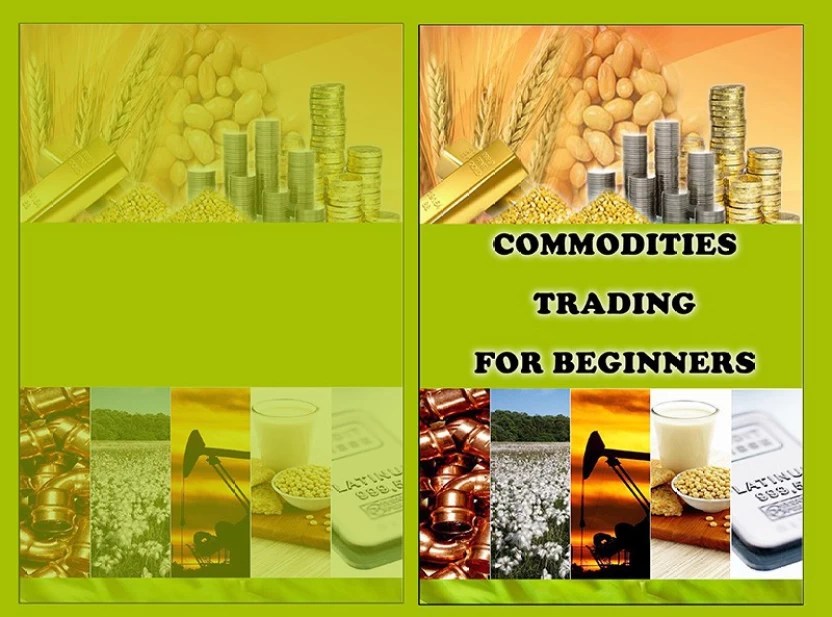
Commodities trading offers a diverse range of strategies, each with its own set of advantages and disadvantages. Understanding these strategies is crucial for beginners to navigate the complexities of the market and develop a successful trading plan. This section will explore some common strategies, focusing on their application and suitability for novice traders. Remember that consistent risk management remains paramount regardless of the chosen strategy.
Trend Following
Trend following, also known as momentum trading, involves identifying and capitalizing on established price trends. The core principle is to buy when prices are rising and sell when prices are falling. This strategy benefits from the sustained movement of prices in a particular direction, allowing for potentially larger profits. However, it’s important to accurately identify the trend and manage risk to avoid significant losses if the trend reverses unexpectedly.Examples of trend following in commodities include buying gold futures contracts during a period of sustained price increases, or selling natural gas futures contracts when prices are consistently declining.
Technical indicators like moving averages can assist in identifying trends. For example, a rising 200-day moving average might suggest a long-term uptrend in a particular commodity.
Mean Reversion
Mean reversion, in contrast to trend following, focuses on exploiting price fluctuations around an average or mean price. This strategy assumes that prices will eventually return to their historical average after deviating significantly. Traders using this approach often employ technical indicators such as Bollinger Bands or Relative Strength Index (RSI) to identify overbought or oversold conditions, suggesting potential reversal points.An example of mean reversion might involve buying corn futures when prices fall sharply below their 20-day moving average, anticipating a price bounce back towards the average.
Conversely, selling when prices rise significantly above the average could be employed, expecting a price correction.
Table of Common Commodity Trading Strategies
The following table summarizes the key characteristics of trend following and mean reversion strategies:
| Strategy Name | Description | Advantages | Disadvantages |
|---|---|---|---|
| Trend Following | Capitalizing on sustained price movements in a specific direction. | Potential for large profits during strong trends; relatively straightforward to understand. | Significant losses possible if the trend reverses; requires accurate trend identification; can be slow to profit during periods of sideways price movement. |
| Mean Reversion | Exploiting price fluctuations around an average price, anticipating a return to the mean. | Can generate profits in both uptrends and downtrends; potentially faster profit generation compared to trend following during periods of volatility. | Requires accurate identification of overbought/oversold conditions; losses can occur if the price continues to move away from the mean; can be challenging to time entries and exits precisely. |
COMMODITIES TRADING
Commodities trading, while potentially lucrative, operates within a complex regulatory framework and necessitates a strong ethical compass. Understanding these aspects is crucial for success and maintaining market integrity. This section delves into the regulatory landscape, provides resources for continued learning, and highlights the ethical considerations inherent in commodities trading.
The Regulatory Landscape of Commodities Trading
The commodities trading industry is heavily regulated to protect investors and maintain market fairness. Regulations vary by jurisdiction but generally aim to prevent market manipulation, ensure transparency, and safeguard against fraud. Major regulatory bodies include the Commodity Futures Trading Commission (CFTC) in the United States, the European Securities and Markets Authority (ESMA) in Europe, and similar agencies in other countries.
These bodies oversee exchanges, brokers, and traders, setting rules regarding trading practices, reporting requirements, and capital adequacy. Non-compliance can lead to significant penalties, including fines, trading bans, and even criminal charges. Traders must be acutely aware of the specific regulations applicable to their trading activities and location. For example, position limits, designed to prevent excessive market control by a single entity, are common regulatory measures.
Understanding and adhering to these regulations is paramount for long-term success and avoiding legal repercussions.
Resources for Continuing Education and Professional Development
Continuous learning is essential for staying competitive in the dynamic commodities market. Numerous resources are available to enhance trading skills and knowledge. Professional organizations, such as the Commodity Traders Association (CTA), offer certifications, networking opportunities, and educational programs. Many universities and online platforms provide courses and workshops on various aspects of commodities trading, including technical analysis, risk management, and market fundamentals.
Reputable financial news sources offer in-depth market analysis and commentary. Furthermore, books, journals, and industry publications contribute significantly to a trader’s ongoing education. Investing in continuous learning through these diverse channels helps traders adapt to market changes, refine their strategies, and stay informed about regulatory updates.
Ethical Considerations in Commodities Trading
Ethical conduct is fundamental to maintaining the integrity of the commodities market. Transparency, fairness, and honesty are paramount. Market manipulation, insider trading, and front-running are serious ethical breaches that can lead to severe penalties. Traders should prioritize responsible trading practices, avoiding strategies that exploit market vulnerabilities or take unfair advantage of other participants. Furthermore, conflicts of interest must be carefully managed and disclosed.
Maintaining accurate records, adhering to regulatory requirements, and acting with integrity are crucial for building trust and long-term success in the commodities trading industry. A strong ethical framework ensures sustainable and responsible participation in the market, fostering a fair and transparent environment for all.
Successfully navigating the commodities market requires a blend of knowledge, discipline, and a well-defined trading plan. This guide has provided a foundational understanding of the key elements involved, from understanding different contract types and market influences to implementing effective risk management and employing sound trading strategies. Remember that consistent learning and adaptation are crucial for long-term success. While this guide offers a solid starting point, continuous research and practical experience will be invaluable as you progress in your commodities trading journey.
Always remember to prioritize responsible trading and seek professional advice when needed.
FAQ Insights
What is the minimum amount of money needed to start commodities trading?
The minimum amount varies greatly depending on the brokerage and the type of contract. Some brokers may allow micro-contracts with smaller initial investments, while others may require significantly more capital.
How much can I realistically expect to make trading commodities?
There’s no guaranteed profit in commodities trading. Profits depend on many factors, including market conditions, trading skill, and risk management. It’s crucial to manage expectations and understand the inherent risks.
What are the tax implications of commodities trading?
Profits from commodities trading are generally considered capital gains and are taxed accordingly. Tax laws vary by jurisdiction, so consulting a tax professional is advisable.
Are there any regulations I need to be aware of?
Yes, commodities trading is regulated. Familiarize yourself with the regulations in your region to ensure compliance and avoid penalties.