The world of commodities trading, encompassing energy, metals, and agricultural products, operates through sophisticated platforms that connect buyers and sellers globally. These platforms, ranging from established exchanges to decentralized over-the-counter markets, facilitate the buying and selling of raw materials, influencing global economies and impacting everyday lives. Understanding these platforms—their functionalities, risks, and regulatory landscapes—is crucial for anyone navigating this complex market.
This guide delves into the intricacies of commodities trading platforms, examining their evolution, various types, and the technological advancements shaping their future. We will explore different trading strategies, risk management techniques, and the regulatory frameworks that govern this dynamic sector. By the end, you’ll have a clearer understanding of how these platforms function and how to navigate them effectively.
Technological Aspects of Commodities Trading Platforms
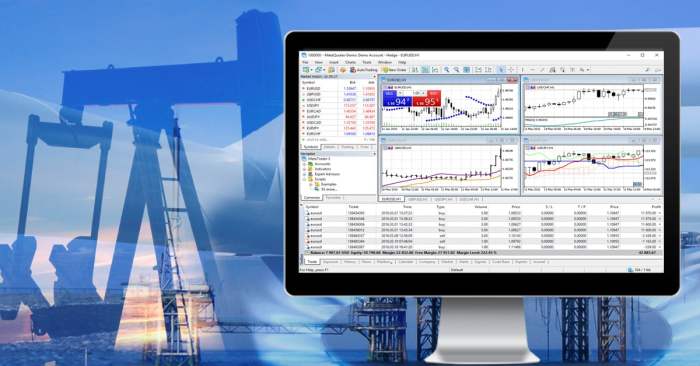
The commodities trading landscape is undergoing a significant transformation, driven by advancements in technology. These technological innovations are not only enhancing the efficiency and security of trading but also dramatically increasing accessibility for a wider range of participants. This section will explore the key technologies shaping the future of commodities trading platforms.The integration of cutting-edge technologies is revolutionizing the speed, accuracy, and security of commodities trading.
Artificial intelligence, blockchain technology, and sophisticated mobile applications are reshaping how traders interact with the market, manage risk, and execute trades.
Artificial Intelligence and Machine Learning in Commodities Trading
AI and machine learning algorithms are increasingly used to analyze vast datasets of market data, identifying patterns and predicting price movements with greater accuracy than traditional methods. This allows traders to make more informed decisions, optimize their trading strategies, and potentially improve profitability. For example, AI-powered systems can analyze historical price data, news sentiment, and weather patterns to predict future price fluctuations in agricultural commodities like corn or soybeans.
Furthermore, AI can automate tasks such as order execution and risk management, freeing up traders to focus on higher-level strategic decisions.
Blockchain Technology and Enhanced Security
Blockchain technology offers a secure and transparent way to record and track commodities transactions. Its decentralized nature reduces the risk of fraud and manipulation, increasing trust and efficiency within the trading ecosystem. For instance, blockchain can be used to create immutable records of ownership for commodities, improving supply chain transparency and reducing the potential for counterfeiting. Smart contracts, self-executing contracts with the terms of the agreement between buyer and seller directly written into lines of code, can automate the execution of trades, reducing delays and minimizing counterparty risk.
Mobile Trading Apps and Increased Accessibility
The development of sophisticated mobile trading apps has significantly broadened access to commodities markets. These apps provide traders with real-time market data, charting tools, and the ability to execute trades from anywhere with an internet connection. This increased accessibility allows smaller traders and investors to participate in the market, fostering greater liquidity and competition. For example, a farmer in a remote region can now monitor commodity prices and execute trades directly from their smartphone, allowing them to better manage their risk and potentially improve their profitability.
This democratization of access to commodities trading is a significant development.
Regulatory Landscape and Compliance
The global commodities trading landscape is a complex web of regulations designed to ensure market integrity, protect investors, and prevent manipulation. These regulations vary significantly depending on the commodity, the jurisdiction, and the type of trading platform involved. Understanding this intricate framework is crucial for any commodities trading platform to operate legally and ethically.The regulatory frameworks governing commodities trading platforms are multifaceted and often involve multiple agencies at national and international levels.
These agencies work to establish rules concerning trading practices, reporting requirements, and the overall conduct of market participants. Non-compliance can lead to significant penalties, including hefty fines and even criminal charges.
Key Regulatory Bodies and Their Roles
Several key regulatory bodies play a crucial role in overseeing commodities trading globally. For example, the Commodity Futures Trading Commission (CFTC) in the United States regulates futures and options markets, while the Securities and Exchange Commission (SEC) oversees the trading of securities, including some commodity-linked investments. In Europe, the European Securities and Markets Authority (ESMA) plays a similar coordinating role across member states.
Each body sets its own specific rules and standards, contributing to the diverse regulatory landscape. These bodies conduct regular audits and investigations to ensure compliance and address any market misconduct. They also play an essential role in fostering transparency and building investor confidence.
Examples of Compliance Requirements for Commodities Trading Platforms
Commodities trading platforms face a wide range of compliance obligations. These often include robust Know Your Customer (KYC) and Anti-Money Laundering (AML) procedures to verify the identities of traders and prevent illicit activities. Platforms must also maintain detailed transaction records, comply with reporting requirements for suspicious activity, and implement measures to prevent market manipulation, such as insider trading and spoofing.
Furthermore, many jurisdictions require platforms to have adequate cybersecurity measures in place to protect customer data and prevent unauthorized access. Failure to comply with these requirements can result in significant financial penalties and reputational damage.
Ensuring Fair and Transparent Trading Practices
Regulatory bodies employ various strategies to ensure fair and transparent trading practices. These include establishing clear rules and regulations, conducting regular market surveillance to detect and investigate potential misconduct, and enforcing penalties for violations. Promoting transparency through mandatory disclosure requirements for trading data and platform operations is also crucial. Furthermore, regulatory bodies often encourage self-regulatory organizations (SROs) to establish industry best practices and codes of conduct.
These organizations can play a vital role in fostering a culture of compliance and ethical behavior within the commodities trading industry. The ultimate goal is to create a level playing field for all market participants and protect investors from unfair or manipulative practices.
The Future of Commodities Trading Platforms
The commodities trading landscape is poised for significant transformation, driven by technological advancements and evolving regulatory environments. Platforms that adapt quickly and effectively to these changes will thrive, while those that fail to innovate risk obsolescence. The future will be defined by increased efficiency, transparency, and accessibility, reshaping how traders interact with the market.The next few years will witness a convergence of several key trends that will redefine commodities trading platforms.
These trends will present both significant challenges and lucrative opportunities for platform developers and operators alike.
Increased Automation and Algorithmic Trading
Algorithmic trading is already prevalent in commodities markets, but its future influence will be far more profound. Expect to see a rise in sophisticated AI-powered trading bots capable of analyzing vast datasets, identifying market inefficiencies, and executing trades with speed and precision surpassing human capabilities. This will lead to increased market liquidity and potentially lower transaction costs, but also heighten the need for robust risk management systems to mitigate the potential for algorithmic errors or malicious attacks.
For example, platforms incorporating machine learning could predict price fluctuations with greater accuracy, enabling traders to optimize their strategies.
Blockchain Technology and Decentralized Exchanges
Blockchain technology offers the potential to revolutionize commodities trading by enhancing transparency and security. Decentralized exchanges (DEXs) built on blockchain could eliminate the need for intermediaries, reducing costs and improving efficiency. Smart contracts could automate trade execution and settlement, minimizing counterparty risk. However, the scalability and regulatory uncertainty surrounding blockchain technology remain significant challenges. The successful implementation of a blockchain-based commodities exchange would require significant collaboration between platform developers, regulators, and market participants.
A real-world example could be a DEX for agricultural commodities, allowing farmers to directly sell their produce to buyers globally, cutting out middlemen and potentially increasing their profit margins.
Enhanced Data Analytics and Predictive Modeling
The increasing availability of high-frequency data, combined with advancements in data analytics, will enable commodities trading platforms to offer more sophisticated predictive modeling tools. These tools could help traders better understand market trends, identify potential risks, and make more informed trading decisions. This will require platforms to invest in robust data infrastructure and employ skilled data scientists to develop and maintain these analytical capabilities.
Platforms offering superior data analytics and predictive modeling will likely attract more sophisticated traders looking for a competitive edge. For example, a platform could integrate weather data with crop yield projections to predict price movements in agricultural commodities.
Integration of Internet of Things (IoT) Data
The proliferation of IoT devices is generating vast amounts of real-time data from various sources, including sensors in mines, farms, and refineries. Integrating this data into commodities trading platforms could provide unprecedented insights into supply chains and production processes. This will allow for more accurate price discovery and potentially reduce volatility. However, integrating and analyzing IoT data presents significant technical challenges, including data security and standardization.
A hypothetical example would be a platform incorporating real-time data from oil tankers to track shipments and predict potential delays, influencing pricing.
Increased Regulatory Scrutiny and Compliance Requirements
As commodities markets become increasingly digitized, regulatory scrutiny will intensify. Platforms will need to invest in robust compliance programs to ensure they meet all applicable regulations, including anti-money laundering (AML) and know-your-customer (KYC) requirements. Failure to comply with regulations could result in significant penalties and reputational damage. This will necessitate investment in advanced compliance technologies and the hiring of skilled compliance professionals.
For instance, platforms might need to integrate blockchain technology for enhanced traceability and transparency, fulfilling regulatory requirements for supply chain monitoring.
Choosing the Right Commodities Trading Platform
Selecting the appropriate commodities trading platform is crucial for success in this dynamic market. The right platform will provide the tools, security, and support needed to navigate the complexities of commodities trading effectively and confidently. A poorly chosen platform can lead to frustration, losses, and missed opportunities. Careful consideration of several key factors is paramount.
Factors to Consider When Choosing a Commodities Trading Platform
Choosing a commodities trading platform requires a thorough evaluation of several critical aspects. Overlooking even one could significantly impact your trading experience and potentially your financial outcomes. The following checklist highlights the essential factors to consider.
- Fees and Commissions: Examine all trading fees, including commissions, spreads, inactivity fees, and any other charges. Compare these across different platforms to find the most cost-effective option for your trading style and volume.
- Security and Regulation: Verify the platform’s security measures, including encryption, two-factor authentication, and regulatory compliance. Choose platforms regulated by reputable financial authorities to protect your funds and data.
- Customer Support: Assess the quality and availability of customer support. Check response times, communication channels (phone, email, chat), and the helpfulness of support staff. Reliable support is essential, especially during critical trading moments.
- Trading Platform Features: Evaluate the platform’s user interface, charting tools, order types, research resources, and educational materials. Choose a platform that offers the tools and features that best suit your trading style and needs.
- Available Commodities: Ensure the platform offers access to the specific commodities you wish to trade. The availability of different contracts and markets will vary between platforms.
- Account Minimums and Funding Options: Review the minimum deposit requirements and available funding methods. Choose a platform with acceptable minimums and convenient funding options aligned with your financial situation.
- Reputation and Reviews: Research the platform’s reputation by reading independent reviews and testimonials from other traders. Look for consistent positive feedback regarding reliability, security, and customer service.
Comparative Analysis of Commodities Trading Platforms
This analysis compares three hypothetical platforms – Platform A, Platform B, and Platform C – based on the checklist above. Note that specific fees and features are illustrative and may vary over time. Always verify the current details directly with the platforms.
| Feature | Platform A | Platform B | Platform C |
|---|---|---|---|
| Fees & Commissions | Competitive, transparent fee structure | Higher commissions, hidden fees possible | Lower commissions, but higher spreads |
| Security & Regulation | Regulated by multiple reputable authorities, strong security protocols | Regulated by one authority, average security | Unregulated, security measures unclear |
| Customer Support | Excellent, 24/7 multi-channel support | Adequate support, limited hours | Poor response times, limited communication channels |
| Trading Platform Features | Advanced charting, diverse order types, robust research tools | Basic charting, limited order types, minimal research | Very basic platform, limited functionality |
| Available Commodities | Wide range of commodities and markets | Limited selection of commodities | Very limited selection, primarily focuses on one commodity type |
| Account Minimums & Funding | Low minimum deposit, multiple funding options | High minimum deposit, limited funding options | High minimum deposit, limited and inconvenient funding options |
| Reputation & Reviews | Generally positive reviews, strong reputation | Mixed reviews, some concerns about reliability | Negative reviews, concerns about security and legitimacy |
Commodities trading platforms are essential gateways to a global market influencing everything from energy prices to the cost of food. While technological innovation and evolving regulations constantly reshape this landscape, understanding the underlying principles of risk management, trading strategies, and platform selection remains paramount. By carefully considering the factors Artikeld in this guide, traders—whether institutional or retail—can better position themselves to participate effectively and responsibly in this dynamic market.
Essential Questionnaire
What are the minimum deposit requirements for most commodities trading platforms?
Minimum deposit requirements vary significantly depending on the platform and the specific commodities being traded. Some platforms may have relatively low minimums, while others require substantial initial investments. It’s crucial to check the specific platform’s terms and conditions.
How do I choose a regulated commodities trading platform?
Look for platforms regulated by reputable financial authorities in your jurisdiction or a major global financial center. Verify their regulatory status independently on the relevant regulatory body’s website. This helps ensure compliance with industry standards and investor protection.
What are the common fees associated with commodities trading platforms?
Fees can include commissions on trades, platform usage fees, data fees, and potentially overnight financing charges (interest). These fees vary widely across platforms, so comparing fee structures is essential before selecting a platform.
Are there any demo accounts available for practice trading?
Many platforms offer demo accounts that allow users to practice trading with virtual funds before risking real capital. This is a valuable tool for learning the platform’s interface and testing trading strategies without financial risk.