
Commodities futures trading, a dynamic and complex market, offers opportunities for both profit and risk. This intricate world involves the buying and selling of contracts for future delivery of raw materials, from agricultural products like wheat and corn to energy resources such as oil and natural gas, and precious metals including gold and silver. Understanding the underlying principles, market participants, and inherent risks is crucial for navigating this exciting, yet potentially volatile, arena.
This guide delves into the fundamentals of commodities futures trading, exploring its history, the diverse players involved, and the various strategies employed. We will examine contract specifications, trading mechanisms, risk management techniques, and the influence of global events on market dynamics. Furthermore, we will compare fundamental and technical analysis approaches, discuss regulatory frameworks, and provide insights into successful trading strategies.
Introduction to Commodities Futures Trading
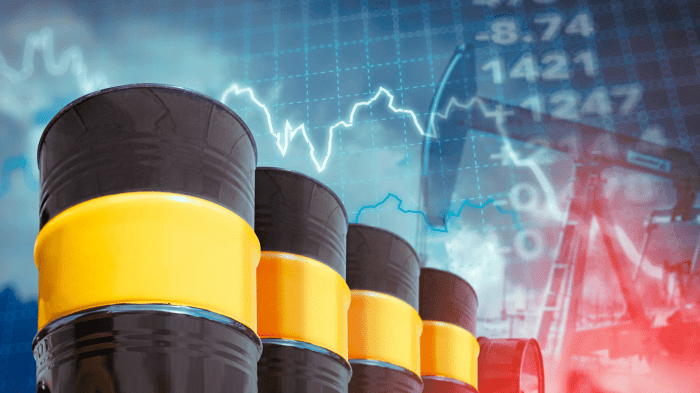
Commodities futures trading involves buying and selling contracts for the future delivery of raw materials or primary agricultural products. It’s a complex market offering significant potential for profit but also considerable risk. Understanding the fundamental principles, history, and types of commodities traded is crucial for anyone considering participation.Commodities futures trading operates on the principle of hedging and speculation.
Hedgers, typically producers or consumers of commodities, use futures contracts to mitigate price risk. For example, a farmer might sell a futures contract for corn to lock in a price for their harvest, protecting against potential price drops. Speculators, on the other hand, aim to profit from price fluctuations, buying low and selling high. The interaction between hedgers and speculators creates liquidity and price discovery in the market.
History and Evolution of Commodities Futures Markets
The origins of organized commodities futures trading can be traced back centuries, with early forms of forward contracts used in agriculture. However, the modern futures market emerged in the mid-19th century, notably with the establishment of the Chicago Board of Trade (CBOT) in 1848. Initially focused on agricultural commodities like wheat and corn, the market expanded to include metals, energy, and other raw materials over time.
The introduction of standardized contracts, clearinghouses to manage risk, and electronic trading platforms significantly increased market efficiency and accessibility. Regulation also played a crucial role, with legislation such as the Commodity Exchange Act of 1936 aimed at preventing manipulation and fraud. The evolution continues with the increasing use of sophisticated trading strategies and algorithmic trading.
Types of Commodities Traded
Commodities are broadly categorized into several groups, each with its unique characteristics and market dynamics.Agricultural commodities include grains (wheat, corn, soybeans), oilseeds (soybeans, rapeseed), livestock (cattle, hogs), and soft commodities (coffee, sugar, cocoa). These are influenced by weather patterns, global supply and demand, and government policies.Energy commodities encompass crude oil, natural gas, gasoline, and heating oil. Their prices are affected by geopolitical events, production levels, and global economic growth.Metals include precious metals (gold, silver, platinum) and base metals (copper, aluminum, zinc).
These are often seen as safe haven assets during times of economic uncertainty. Industrial demand and supply dynamics play a key role in price determination.Other commodities include livestock and meat products, along with various other agricultural and industrial products traded on specialized exchanges.
Trading Mechanisms and Platforms
The commodities futures market utilizes a blend of traditional and modern trading mechanisms, reflecting its evolution from open outcry pits to sophisticated electronic platforms. Understanding these mechanisms and the exchanges that facilitate them is crucial for successful participation in the market. This section will explore the various methods and technologies employed in commodities futures trading.Commodities futures trading employs two primary mechanisms: open outcry and electronic trading.
Open outcry, a more traditional method, involves traders physically present on an exchange floor, verbally communicating bids and offers. This system, while offering a tangible sense of market dynamics, has largely been superseded by electronic trading. Electronic trading, facilitated by advanced computer systems, allows for faster execution, increased liquidity, and greater accessibility to the market. The transition to electronic trading has dramatically increased market efficiency and participation.
Open Outcry Trading
Open outcry trading, once the dominant method, involved traders shouting bids and offers in a designated trading pit. This highly visible and energetic environment allowed for immediate price discovery and negotiation. However, limitations in speed and transparency compared to electronic trading led to its decline in popularity. The Chicago Mercantile Exchange (CME Group) was a prominent example of an exchange that historically relied heavily on open outcry, though this method is now largely phased out in favor of electronic platforms.
While offering a unique and often cited experience, open outcry’s limitations in scale and speed ultimately contributed to its decreased prevalence.
Electronic Trading Platforms
Electronic trading platforms have become the standard for commodities futures trading. These platforms offer a range of benefits, including speed, efficiency, and transparency. Orders are executed electronically, eliminating the need for physical presence on an exchange floor. Many platforms offer advanced tools for charting, analysis, and risk management, empowering traders with greater control and insight.
Major Commodities Exchanges and Their Trading Platforms
Several major exchanges dominate the global commodities futures market, each with its own unique trading platform and technological infrastructure. The CME Group, for instance, operates Globex, a sophisticated electronic trading platform that supports a wide range of commodities and financial instruments. Intercontinental Exchange (ICE), another major player, offers its own electronic trading platform with similar functionalities. These platforms are designed for high-volume trading, employing robust technology to ensure order execution speed and market data integrity.
The specific features and functionalities of each platform may vary, but they all share the common goal of providing a reliable and efficient trading environment.
Technology and Infrastructure Supporting Commodities Futures Trading
The technology underlying commodities futures trading is highly advanced, involving high-speed networks, sophisticated trading systems, and robust data centers. These systems are designed to handle massive volumes of data and transactions with minimal latency. The infrastructure must ensure data security, market integrity, and regulatory compliance. This involves stringent cybersecurity measures and rigorous testing to guarantee system reliability and prevent market manipulation.
High-frequency trading (HFT) algorithms play a significant role, requiring extremely low latency and high bandwidth to execute trades at optimal speeds. The underlying infrastructure is a crucial component in maintaining the smooth and efficient functioning of the global commodities futures market.
Risk Management in Commodities Futures Trading
Commodities futures trading, while offering significant profit potential, carries inherent risks due to the volatile nature of commodity prices. Effective risk management is crucial for traders to protect their capital and ensure long-term success. This section details various strategies and techniques employed to mitigate these risks.Effective risk management strategies are paramount in commodities futures trading. Understanding and implementing these strategies is not merely advisable, but essential for survival in this dynamic market.
Failure to do so can lead to substantial financial losses.
Hedging
Hedging involves using futures contracts to offset potential losses in the spot market. For example, a farmer expecting to harvest a corn crop in the future can sell corn futures contracts to lock in a price for their future harvest, protecting against potential price drops before the harvest. This strategy helps mitigate the risk of price fluctuations impacting profitability.
The effectiveness of hedging depends on the correlation between the hedged asset and the futures contract used. Imperfect correlation can still leave the trader exposed to some risk.
Stop-Loss Orders
Stop-loss orders are instructions to a broker to automatically sell a futures contract when the price falls to a predetermined level, limiting potential losses. These orders are crucial for controlling risk and preventing significant financial setbacks. While they don’t guarantee against losses (particularly in rapidly moving markets), they provide a crucial safety net. For instance, a trader might set a stop-loss order at 5% below their entry price to limit potential losses on a particular position.
Diversification
Diversification involves spreading investments across various commodities and markets to reduce overall portfolio risk. Instead of concentrating on a single commodity, a trader might invest in gold, oil, and agricultural products. This approach mitigates the impact of adverse price movements in any one market. The degree of diversification will vary depending on the trader’s risk tolerance and investment goals.
Understanding Market Volatility and Price Fluctuations
Commodities markets are known for their volatility, influenced by factors like weather patterns, geopolitical events, and economic conditions. Analyzing historical price data, understanding fundamental and technical analysis, and staying informed about market news are essential for anticipating potential price swings. For example, unexpected weather events can significantly impact agricultural commodity prices, while geopolitical instability can affect energy prices.
A deep understanding of these factors allows traders to make more informed decisions and adjust their risk management strategies accordingly.
A Step-by-Step Risk Management Strategy
A hypothetical commodities trader, let’s call him Alex, can implement the following risk management strategy:
- Define Trading Objectives and Risk Tolerance: Alex clearly defines his investment goals (e.g., capital preservation, income generation) and his acceptable level of risk (e.g., maximum loss per trade, maximum overall portfolio loss). This is the foundation of his strategy.
- Conduct Thorough Market Research: Alex researches the commodities he’s considering, analyzing historical price data, identifying key influencing factors, and understanding market trends. This informs his trading decisions.
- Develop a Trading Plan: Based on his research and risk tolerance, Alex creates a detailed trading plan outlining entry and exit strategies, position sizing, and stop-loss orders for each trade. This plan provides a structured approach to trading.
- Implement Diversification: Alex diversifies his portfolio across multiple commodities to reduce the impact of any single market’s adverse movements. This spreads risk across different asset classes.
- Utilize Stop-Loss Orders: Alex consistently uses stop-loss orders to limit potential losses on each trade. This crucial step prevents significant capital erosion.
- Regularly Monitor and Adjust: Alex regularly monitors his positions, market conditions, and the performance of his risk management strategy. He adjusts his approach as needed based on changing circumstances. This adaptive approach is essential for long-term success.
- Maintain Accurate Records: Alex keeps detailed records of his trades, including profits, losses, and the effectiveness of his risk management techniques. This helps him refine his strategy over time.
The Impact of Global Events on Commodities Trading
Commodities markets, encompassing raw materials like oil, gold, and agricultural products, are inherently susceptible to global events. Geopolitical instability, macroeconomic shifts, and unexpected occurrences can significantly influence supply, demand, and ultimately, prices. Understanding these influences is crucial for navigating the complexities of commodities futures trading.Geopolitical events and macroeconomic factors exert considerable pressure on commodity prices. Political unrest, wars, and trade disputes disrupt supply chains, leading to shortages and price spikes.
Conversely, periods of global economic growth often boost demand, driving prices upward. Simultaneously, macroeconomic indicators such as inflation rates, interest rates, and currency fluctuations play a significant role in determining investment flows and investor sentiment towards commodities.
Geopolitical Events and Commodity Price Volatility
Geopolitical instability frequently triggers significant price swings in commodity markets. For instance, the 2014 annexation of Crimea by Russia led to sanctions and disruptions in global energy markets, causing oil prices to fluctuate dramatically. Similarly, the ongoing conflict in Ukraine has severely impacted wheat and corn exports, contributing to global food price inflation. These examples highlight the direct link between political events and the availability and pricing of commodities.
The uncertainty created by such events often leads to increased speculation and volatility in the market, making accurate price forecasting extremely challenging.
Macroeconomic Factors and Commodity Demand
Macroeconomic conditions profoundly impact commodity demand and, consequently, their prices. Periods of strong economic growth usually translate to increased industrial activity and consumer spending, boosting demand for raw materials like metals and energy. Conversely, economic downturns or recessions can lead to decreased demand, resulting in lower prices. For example, the 2008 global financial crisis caused a sharp decline in commodity prices as industrial production and consumption fell significantly across many sectors.
Inflationary pressures also influence commodity prices. When inflation rises, the purchasing power of money decreases, potentially leading to increased demand for commodities as a hedge against inflation. This is particularly true for precious metals like gold, often considered a safe haven asset during times of economic uncertainty.
Interconnectedness of Commodity and Financial Markets
Commodity markets are not isolated entities; they are intricately linked to other financial markets, including equity markets, bond markets, and currency markets. Changes in one market can have ripple effects throughout the global financial system. For example, a sharp increase in oil prices can negatively impact equity markets as companies face higher production costs. Similarly, fluctuations in currency exchange rates can affect the prices of internationally traded commodities, as import and export costs are altered.
This interconnectedness necessitates a holistic approach to understanding and managing risk within commodity futures trading, considering the broader macroeconomic and geopolitical landscape.
Mastering commodities futures trading requires a blend of knowledge, skill, and discipline. While the potential for significant returns exists, understanding and managing risk is paramount. By comprehending the intricacies of market forces, employing effective risk management strategies, and staying informed about global events, traders can increase their chances of success in this challenging yet rewarding field. Continuous learning and adaptation are key to thriving in the ever-evolving world of commodities futures.
FAQ Insights
What is the minimum amount of money needed to start commodities futures trading?
The minimum amount varies significantly depending on the broker, the specific commodity, and the contract size. Some brokers may have minimum account balances, while others might allow trading with smaller amounts. However, it’s advisable to have sufficient capital to manage potential losses.
How can I learn more about specific commodities before trading them?
Thorough research is essential. Consult reputable financial news sources, industry reports, and government data to understand supply and demand dynamics, production trends, and geopolitical factors affecting the commodity you’re considering.
What are the tax implications of commodities futures trading?
Tax implications vary based on your location and trading activity. Profits from commodities futures trading are generally considered capital gains or losses and are taxed accordingly. Consult a tax professional for personalized advice.
Are there any free resources available to learn about commodities futures trading?
Many online resources offer educational materials, including articles, tutorials, and webinars. However, be cautious of biased or misleading information. Look for reputable sources from established financial institutions or educational organizations.


