
Navigating the dynamic world of oil trading requires a keen understanding of market forces, technical analysis, and robust risk management. This guide delves into the intricacies of oil trading strategies, exploring fundamental and technical analysis techniques, various trading instruments, and the importance of a well-defined risk management plan. Whether you’re a seasoned investor or a newcomer to the commodities market, understanding these strategies is crucial for success in this volatile yet potentially lucrative sector.
From analyzing macroeconomic indicators and geopolitical events to mastering technical indicators like moving averages and RSI, we’ll cover the essential tools and knowledge needed to make informed trading decisions. We will also examine different trading approaches, including long-term investments and short-term strategies like day trading and swing trading, highlighting the advantages and disadvantages of each.
Introduction to Oil Trading
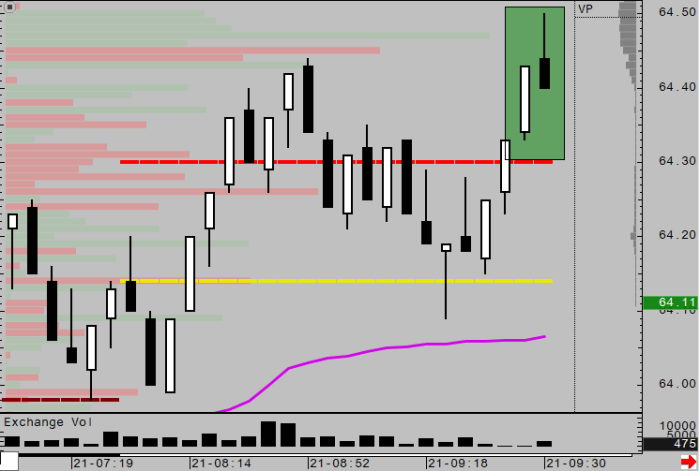
The global oil market is a complex and dynamic system influencing global economies and geopolitics. Understanding its intricacies is crucial for anyone involved in oil trading, whether as a producer, refiner, trader, or investor. This section provides a foundational overview of the market, its participants, and the factors that drive price fluctuations.The global oil market involves a vast network of interconnected players, each with its own role and influence.
Major oil-producing countries, often organized within cartels like OPEC (Organization of the Petroleum Exporting Countries), exert significant control over supply. Large multinational oil companies, such as ExxonMobil, Shell, and BP, play a critical role in exploration, production, refining, and distribution. Financial institutions, including banks and investment firms, facilitate trading and provide financing. Finally, consumers, ranging from individual drivers to large industrial users, represent the ultimate demand side of the market.
The interplay of these players creates a constantly shifting landscape of supply and demand, influencing prices.
Types of Oil Traded
Crude oil and refined petroleum products are the primary commodities traded in the global oil market. Crude oil, the unprocessed form of petroleum, is extracted from the earth and undergoes refining to produce various petroleum products. Different types of crude oil exist, each with unique chemical compositions and qualities, affecting their price and suitability for various refining processes.
These variations are determined by factors like the geographical origin of the crude and the specific geological conditions of its formation. Refined petroleum products encompass a wide range of fuels and other products, including gasoline, diesel, jet fuel, heating oil, and petrochemicals. These refined products are derived from the processing of crude oil in refineries and have varying demand depending on seasonal factors and economic conditions.
The prices of these refined products are closely tied to the price of crude oil, but also reflect refining costs and market-specific factors.
Factors Influencing Oil Prices
Oil prices are subject to constant fluctuations driven by a complex interplay of factors. Supply-side factors include production levels from major oil-producing countries, disruptions caused by geopolitical events, and the capacity of oil infrastructure (pipelines, refineries, storage facilities). Demand-side factors are equally important, encompassing global economic growth, seasonal changes in energy consumption, and technological advancements impacting energy efficiency. Geopolitical events, such as wars, political instability, and sanctions, can significantly disrupt supply chains and create uncertainty, leading to price volatility.
For example, the 2022 Russian invasion of Ukraine significantly impacted global oil prices due to sanctions on Russian oil exports and disruptions to global supply chains. Speculation in the futures market also plays a considerable role, with traders’ expectations and market sentiment influencing price movements. The interaction of these supply, demand, and geopolitical factors creates a dynamic and often unpredictable pricing environment.
Fundamental Analysis in Oil Trading
Fundamental analysis in oil trading involves examining the underlying factors that influence oil prices. Unlike technical analysis, which focuses on price charts and patterns, fundamental analysis considers macroeconomic indicators, geopolitical events, and the actions of major players in the oil market to predict future price movements. Understanding these factors is crucial for developing effective trading strategies.
Macroeconomic Indicators and Oil Prices
Macroeconomic indicators significantly impact oil prices due to oil’s role as a key commodity in the global economy. Strong economic growth in major consuming nations like the US, China, and the EU typically leads to increased demand for oil, driving prices higher. Conversely, economic slowdowns or recessions reduce demand and can put downward pressure on prices. Other key indicators include inflation rates, interest rates, and the US dollar’s strength.
A strong dollar generally makes oil more expensive for buyers using other currencies, potentially lowering demand and prices. Conversely, a weakening dollar can boost demand and prices. For example, the 2008 global financial crisis led to a sharp decline in oil prices as global demand plummeted.
The Role of OPEC and Other Oil-Producing Nations
The Organization of the Petroleum Exporting Countries (OPEC) and other significant oil-producing nations, such as Russia, play a crucial role in determining oil prices through their production decisions. OPEC, a cartel of 13 oil-producing countries, coordinates its members’ production levels to influence supply and, consequently, prices. Agreements to increase or decrease production can significantly impact market dynamics. For instance, OPEC+ (OPEC plus other major producers like Russia) production cuts in 2020 helped stabilize prices during the COVID-19 pandemic.
Individual nations’ political stability and production capacity also influence global supply and price. Unexpected disruptions, such as political instability or natural disasters in major oil-producing regions, can lead to price spikes.
News Events and Their Impact on Oil Trading Strategies
News events can significantly and rapidly affect oil trading strategies. Geopolitical tensions, such as wars or sanctions, often lead to immediate price volatility. Similarly, unexpected disruptions to oil supply, such as pipeline attacks or refinery closures, can cause significant price increases. Positive economic news from major oil-consuming countries might drive prices upwards, while negative economic data could trigger a decline.
For example, the Russian invasion of Ukraine in 2022 caused a sharp increase in oil prices due to concerns about disruptions to Russian oil supplies. Traders need to stay informed about global events and their potential impact on oil markets to effectively manage risk and capitalize on opportunities.
Impact of Geopolitical Events on Oil Prices
| Geopolitical Event | Impact on Oil Prices | Example | Timeframe |
|---|---|---|---|
| War/Conflict | Typically increases prices due to supply disruptions and uncertainty. | Iraq War (2003), Russia-Ukraine War (2022) | Short to long-term |
| Sanctions | Can increase prices if sanctions target major oil producers. | Sanctions on Iran (various periods) | Variable, depending on the scope and duration of sanctions. |
| Political Instability | Often leads to price volatility, depending on the location and severity of the instability. | Political unrest in Libya (various periods) | Short to medium-term |
| Terrorist Attacks | Can cause short-term price spikes if they target oil infrastructure. | Attacks on Saudi Arabian oil facilities (2019) | Short-term |
Risk Management in Oil Trading
Oil trading, while potentially lucrative, is inherently risky. Understanding and mitigating these risks is crucial for long-term success. This section details various risks associated with oil trading and provides strategies for effective risk management, ultimately enabling traders to protect their capital and maximize their potential returns.
Identifying and Discussing Risks in Oil Trading
The oil market is susceptible to significant price fluctuations driven by diverse factors. Market volatility, stemming from supply and demand imbalances, economic news, and unforeseen events, presents a primary risk. Geopolitical instability, including conflicts, sanctions, and political uncertainties in major oil-producing regions, can trigger dramatic price swings. Furthermore, unforeseen events like natural disasters or significant technological disruptions can severely impact supply and create market instability.
These factors necessitate a robust risk management strategy to navigate the inherent unpredictability of the oil market.
Risk Management Techniques
Effective risk management involves implementing several key techniques. Stop-loss orders automatically sell a position when the price reaches a predetermined level, limiting potential losses. Position sizing, which dictates the amount of capital allocated to each trade, is equally critical. Traders should only risk a small percentage of their overall capital on any single trade, typically between 1% and 5%.
Diversification, spreading investments across different oil-related assets or markets, can help reduce the impact of losses in any single position. Hedging, using financial instruments to offset potential losses, can provide an additional layer of protection. For instance, a trader holding a long position in crude oil might buy put options as a hedge against price declines.
Risk Tolerance Levels and Trading Strategies
Risk tolerance varies significantly among traders. Conservative traders, with low risk tolerance, typically prefer smaller position sizes and utilize stop-loss orders aggressively. Their strategies often focus on consistent, smaller profits rather than high-risk, high-reward opportunities. Aggressive traders, on the other hand, have a higher risk tolerance and may employ larger position sizes and wider stop-loss levels. Their strategies aim for substantial profits but accept a greater risk of significant losses.
A trader’s risk tolerance should directly influence their trading strategy and the types of trades they undertake. For example, a conservative trader might focus on swing trading, while an aggressive trader might engage in day trading or short-term speculation.
Developing a Personal Risk Management Plan
Developing a comprehensive risk management plan is a crucial step for any oil trader. This plan should be tailored to the individual trader’s risk tolerance, trading style, and capital.
- Define your risk tolerance: Honestly assess your comfort level with potential losses. Are you comfortable losing a small percentage of your capital, or do you need a higher level of protection?
- Set capital allocation rules: Determine the maximum percentage of your capital you’re willing to risk on any single trade. This should be a fixed percentage, consistently applied to all trades.
- Establish stop-loss levels: For each trade, set a stop-loss order to automatically limit potential losses. These levels should be based on technical analysis or market conditions.
- Implement position sizing: Calculate the appropriate position size based on your capital allocation rules and stop-loss levels. Ensure that your position size aligns with your risk tolerance.
- Diversify your portfolio: Avoid concentrating your investments in a single asset or market. Diversification helps reduce the impact of losses in any single position.
- Regularly review and adjust: Your risk management plan should not be static. Regularly review its effectiveness and make adjustments as needed, based on market conditions and your trading performance.
Successful oil trading hinges on a multifaceted approach encompassing thorough market analysis, disciplined risk management, and a well-defined trading strategy tailored to individual risk tolerance and investment goals. By understanding the interplay of fundamental and technical analysis, diversifying trading instruments, and continuously adapting to market dynamics, traders can position themselves for success in this complex and rewarding market. Remember that consistent learning and adapting are vital for long-term profitability in oil trading.
Query Resolution
What are the best indicators for short-term oil trading?
Short-term oil traders often rely on indicators that provide quick signals, such as moving averages (especially short-term ones), RSI, MACD, and candlestick patterns. However, relying solely on one indicator is risky; combining several for confirmation is recommended.
How can I minimize emotional decision-making in oil trading?
Develop a strict trading plan with clearly defined entry and exit points. Adhere to your plan regardless of emotional impulses. Regularly review your performance and adjust your strategy as needed, but avoid impulsive changes based on fear or greed.
What are the tax implications of oil futures trading?
Tax implications vary significantly depending on your location and the specifics of your trades. Consult a qualified tax professional to understand the tax laws in your jurisdiction concerning profits and losses from oil futures trading.
Are there any ethical considerations in oil trading?
Ethical considerations include transparency, responsible risk management, and avoiding manipulative practices. Adherence to regulatory guidelines and a commitment to fair trading practices are crucial.


