Navigating the world of commodities trading can be lucrative, but understanding its tax implications is crucial for success. From the intricacies of capital gains taxes on short-term and long-term holdings to the often-overlooked deductions and reporting requirements, the tax landscape for commodities traders is complex. This guide unravels the complexities, offering a clear understanding of the tax obligations associated with various trading strategies and instruments, including futures, options, and swaps, across different jurisdictions.
We’ll explore how to minimize tax liabilities through strategic planning and the vital role of professional advice in ensuring compliance.
This exploration delves into the specifics of calculating capital gains taxes, considering holding periods and cost basis, and provides practical examples to illustrate these calculations. We’ll examine allowable deductions, including trading fees and software costs, and address the rules surrounding the deductibility of losses. Furthermore, we’ll cover the essential reporting requirements, including the forms needed and the steps involved in accurately reporting income and expenses, providing clarity for traders of all experience levels.
Introduction to Commodities Trading
Commodities trading involves the buying and selling of raw materials and primary agricultural products. This market is vast and complex, influencing global economies and impacting everyday life through the price of everything from gasoline to food. Understanding the basics of commodities trading is crucial for anyone considering participation, whether as a trader, investor, or simply to comprehend the forces shaping market prices.Commodities are broadly categorized into energy (crude oil, natural gas), metals (gold, silver, copper), agricultural products (corn, wheat, soybeans), and livestock (cattle, hogs).
These commodities are traded on various exchanges worldwide, each with its own regulations and trading hours. The largest and most influential exchanges include the Chicago Mercantile Exchange (CME Group), the Intercontinental Exchange (ICE), and the London Metal Exchange (LME). Trading occurs through various instruments, each offering different levels of risk and reward.
Commodities Trading Instruments
Commodities trading utilizes a range of instruments to facilitate transactions and manage risk. Futures contracts, options contracts, and swaps are the most prominent. Futures contracts are agreements to buy or sell a specific commodity at a predetermined price on a future date. They provide price certainty for both buyers and sellers, hedging against price fluctuations. Options contracts grant the buyer the right, but not the obligation, to buy or sell a commodity at a specific price within a specific timeframe.
This provides flexibility and leverage, allowing traders to profit from price movements in either direction. Swaps are customized agreements between two parties to exchange cash flows based on the price of a commodity over a specified period. These are often used for hedging purposes by large corporations.
Examples of Common Commodities and Price Drivers
Several factors influence commodity prices. Supply and demand are fundamental, with weather patterns, geopolitical events, and economic growth significantly impacting availability and consumer demand. For instance, a drought in a major corn-producing region can drastically increase corn prices, affecting the cost of food products globally. Similarly, political instability in an oil-producing nation can disrupt supply and lead to price spikes in crude oil.Let’s examine a few examples: Crude oil prices are influenced by OPEC production quotas, global economic growth (driving demand), and technological advancements in alternative energy sources.
Gold, often considered a safe-haven asset, tends to appreciate during times of economic uncertainty or inflation. Coffee prices are sensitive to weather conditions in major coffee-growing regions, as well as global coffee consumption trends. These examples highlight the interplay of various factors driving commodity price fluctuations, making this market both challenging and potentially lucrative.
Tax Implications for Commodities Traders
Commodities trading, while potentially lucrative, involves significant tax implications that traders must understand to manage their financial obligations effectively. This section focuses specifically on the tax treatment of capital gains arising from commodities transactions. Accurate record-keeping and a thorough understanding of relevant tax laws are crucial for minimizing tax liabilities.
Capital Gains Tax Treatment
Capital gains from commodities trading are taxed differently depending on the holding period of the asset. Short-term capital gains, realized on assets held for one year or less, are taxed at the trader’s ordinary income tax rate. Long-term capital gains, realized on assets held for more than one year, are taxed at preferential rates, generally lower than ordinary income tax rates.
These rates vary depending on the trader’s taxable income bracket.
Calculating Capital Gains Taxes
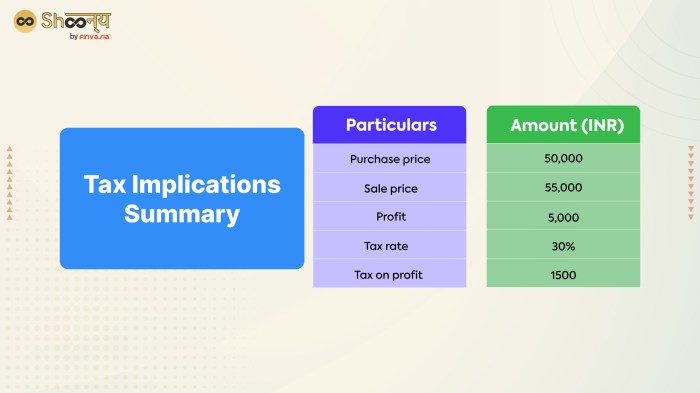
Calculating capital gains taxes involves determining the cost basis of the commodity and subtracting it from the selling price to arrive at the capital gain. The cost basis includes the original purchase price, plus any commissions or fees paid. For example, if a trader bought a commodity for $100 and later sold it for $150, the capital gain is $50.
This $50 gain would then be taxed according to the applicable short-term or long-term capital gains tax rate, depending on how long the commodity was held. It’s crucial to maintain meticulous records of all transactions, including dates, quantities, and prices, to accurately calculate capital gains and avoid potential tax penalties.
Tax Implications of Different Trading Strategies
Different commodities trading strategies can lead to varying tax implications. For instance, day trading, which involves buying and selling commodities within the same day, typically results in short-term capital gains taxed at ordinary income rates. Swing trading, which involves holding positions for a few days or weeks, may result in a mix of short-term and long-term capital gains.
Long-term investment strategies, holding commodities for over a year, typically generate long-term capital gains, benefiting from lower tax rates. Tax planning should be tailored to the specific trading strategy employed.
Hypothetical Example: Capital Gains Tax Calculation
Let’s consider a hypothetical example to illustrate the calculation of capital gains taxes on a profitable commodities trade. Assume a trader purchased gold futures contracts on January 15th and sold them on December 20th of the same year.
| Date | Transaction | Amount | Tax Implications |
|---|---|---|---|
| January 15th | Purchase of Gold Futures | $10,000 | Cost Basis |
| December 20th | Sale of Gold Futures | $15,000 | Capital Gain: $5,000 (Short-term, taxed at ordinary income rate) |
Note: This example simplifies the tax calculation. Actual tax implications may vary depending on individual circumstances, applicable tax laws, and other factors. Consulting with a qualified tax professional is recommended for personalized advice.
Successfully navigating the tax complexities of commodities trading requires a proactive and informed approach. By understanding the nuances of capital gains taxation, allowable deductions, and precise reporting requirements, traders can significantly reduce their tax burden and mitigate potential penalties. Remember, seeking professional tax advice is paramount, especially when dealing with cross-border transactions or complex trading strategies. Proper planning and compliance not only ensure peace of mind but also contribute to the long-term sustainability and profitability of your trading endeavors.
The information presented here serves as a valuable starting point, but it’s crucial to consult with a qualified professional for personalized guidance tailored to your specific circumstances.
Key Questions Answered
What is the difference between short-term and long-term capital gains taxes on commodities?
Short-term capital gains are taxed at your ordinary income tax rate, while long-term capital gains (assets held over one year) are taxed at lower rates, depending on your income bracket.
Can I deduct losses from commodities trading against other income?
Yes, but there are limitations. You can deduct up to $3,000 ($1,500 if married filing separately) of net capital losses against ordinary income annually. Excess losses can be carried forward to future tax years.
What if I trade commodities internationally?
International commodities trading involves additional tax complexities, including potential foreign tax credits and reporting requirements under specific tax treaties. Expert advice is crucial in these situations.
Are there penalties for inaccurate reporting?
Yes, penalties for underreporting or misreporting commodities trading income can be significant, including interest charges, and in some cases, even criminal prosecution.